
Australia banned children under 16 from social media more than a year, a government-commissioned trial shows the age-checking tools can be bypassed with ease. Over half of underage participants created accounts, industry sources told Reuters, exposing a wide enforcement gap in the world-first social media law.
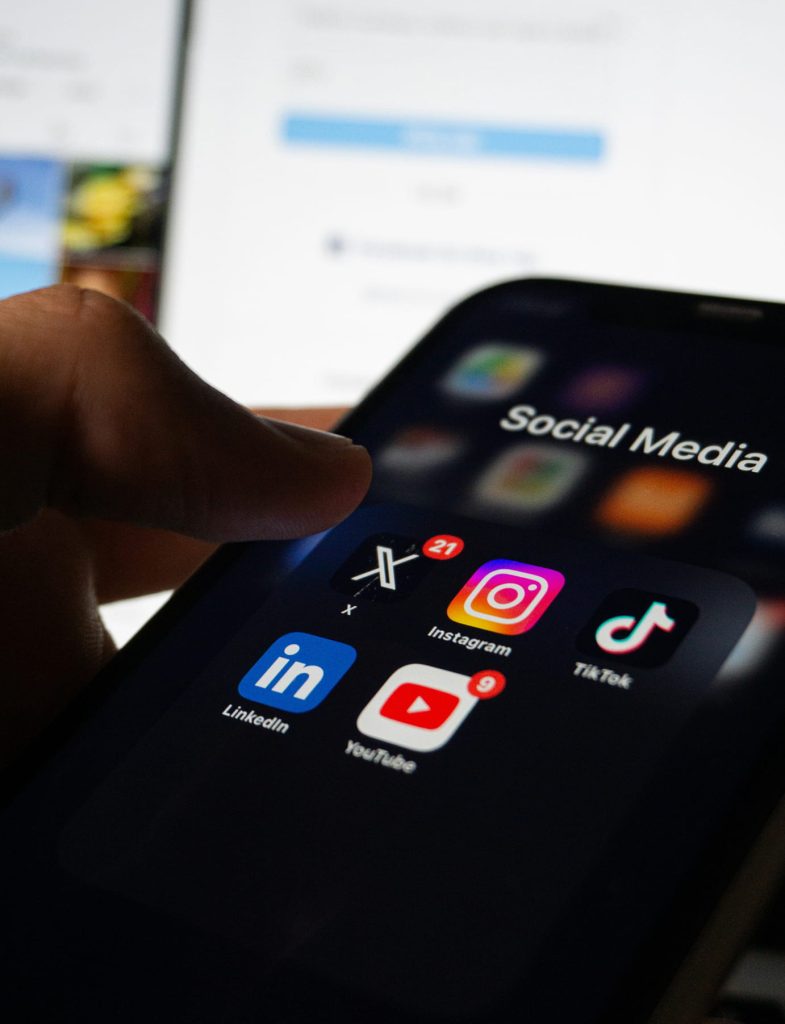
The landmark Online Safety Act that made global headlines now faces a technical reality check. Three technology providers who supplied age-assurance systems for the Australian government’s trial have admitted the current checks are not fit for purpose. Methods like self-declared age prompts and AI facial analysis failed to stop most teenage testers from joining restricted platforms, according to a Reuters report published on Tuesday.
Over 50% of Teen Testers Bypassed Social Media Age Checks
The trial involved more than 1,200 Australians aged 13 to 17. Three industry sources with direct knowledge of the results said well over half successfully created accounts on services now legally required to restrict under-16s. The companies told Reuters that a determined 14-year-old could lie or simply use an adult’s photograph to clear AI-based facial estimations.
The technology is being asked to solve a problem it simply cannot solve yet, one provider said, speaking on condition of anonymity because the trial findings remain confidential. The companies stressed that without a privacy-preserving identity check — such as a government-issued digital ID or zero-knowledge credential that doesn’t store personal data — Australia’s social media ban remains a paper shield.
How the Australian Under-16 Social Media Ban Works
Australia’s parliament amended the Online Safety Act in November 2024, making it the first country to require platforms like TikTok, Instagram, Snapchat, and Facebook to take “reasonable steps” to verify user ages. Non-compliance can trigger fines of up to AUD 50 million. The rules took full effect in late 2025.
Crucially, lawmakers did not mandate a specific age-verification method. That gave platforms a choice between self-assessment, AI estimation, and third-party checks. Critics argue this vagueness allowed the weakest, cheapest options to become the default.
eSafety Commissioner Julie Inman Grant acknowledged the early phase isn’t perfect but described it as a “reasonable start.” A government spokesperson told Reuters that regulators are seeing behavioral changes from platforms and that the final trial report will shape possible technical standards later this year.
Implications for Global Social Media Age Bans
Australia’s experience is being closely monitored abroad. The United Kingdom, France, and several U.S. states have proposed or debated similar under-16 social media restrictions. The trial’s frailty may cool that momentum unless enforcement can be demonstrably tightened.
Child safety advocates point to precedent: previous age-restriction efforts for online gambling and alcohol sales also struggled with flimsy verification before regulators mandated stronger identity checks. Experts now warn that meaningful social media age assurance will likely require mandatory digital identity infrastructure or a trusted privacy-first credential — steps no major government has fully embraced.
What’s Next for Australia’s Social Media Law?
For now, the promise of protecting young teens from harmful content and addictive algorithms runs ahead of the tools available. The eSafety Commissioner’s final report is expected later this year and could recommend binding technical standards. Until then, Australia’s bold experiment serves more as a warning than a model for the rest of the world.

