Iran has entered a period of official mourning and national closure after confirming the death of Ayatollah Ali Khamenei, the country’s supreme leader since 1989. State media and government officials announced on Sunday, March 1, 2026, that Khamenei was killed, describing his death as a “martyrdom.”
Iran’s state broadcaster confirmed that Khamenei died as a result of recent military strikes attributed to the United States and Israel, marking one of the most dramatic developments in the Middle East in decades. Following the announcement, the Iranian cabinet declared a 40-day national mourning period and announced seven days of public holidays across the country. During this period, government offices and many institutions will suspend normal activities as a mark of respect.
State television presenters addressed the nation with somber tones, emphasizing Khamenei’s long rule and framing his death as a profound loss for the Islamic Republic. Officials said that while his physical presence has ended, his ideology and leadership legacy will continue to guide the nation.
The declaration of mourning comes amid a broader regional escalation. Iran has reported retaliatory actions following what it describes as “aggression” by foreign powers. Iranian authorities have pointed to heightened military responses and reaffirmed their commitment to defending the nation’s sovereignty.
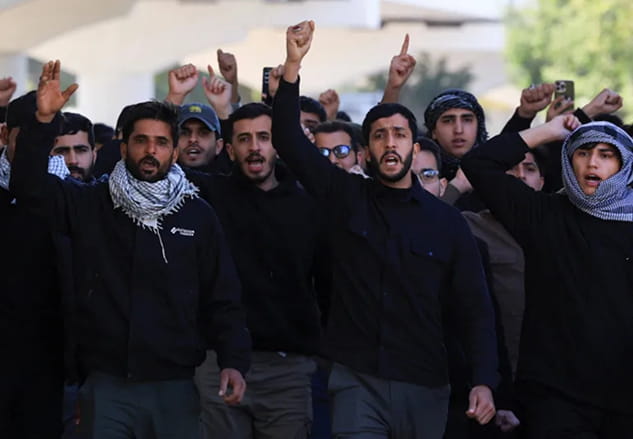
Iranian People apologies for him. In several cities, including Tehran and Mashhad, large numbers of people gathered to mourn, with crowds seen at religious sites holding banners and paying their respects to the late leader. Some segments of the population, particularly in urban centers, expressed varied and more complex responses to the news on social media.
Internationally, allied governments and religious leaders have also issued condolences, with neighboring Iraq announcing its own period of national mourning in honor of the Iranian leader’s passing.
Khamenei’s death marks the end of an era in Iranian politics: he had led the Islamic Republic for more than three decades, holding ultimate authority over its political, military, and religious spheres. The leadership transition and the extended mourning period are expected to shape Iran’s domestic and foreign policy direction in the coming months.