
Victoria Insight E-bike Update: 21 May 2026
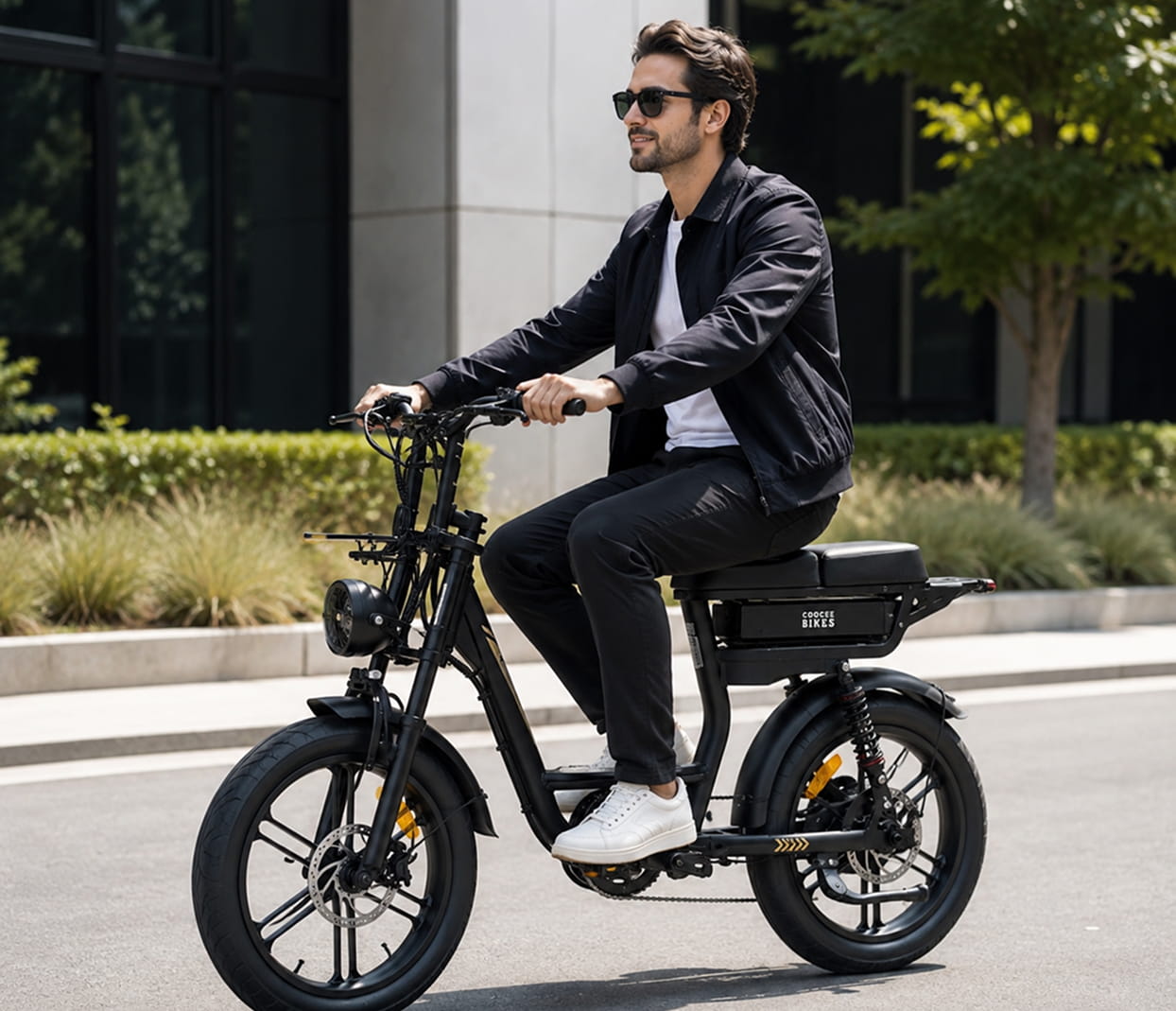
Australia’s booming e-bike culture is colliding with growing public safety concerns, forcing governments and police agencies to tighten regulations across the country. What began as a sustainable transport revolution offering cheaper commuting, reduced fuel dependence, and eco-friendly mobility is now facing scrutiny due to rising accidents, illegal modifications, and the explosive popularity of high-powered electric bikes among teenagers.
The debate has intensified in recent months as police crackdowns, bike impoundments, and injury reports continue to rise in major cities including Sydney, Melbourne, Brisbane, and Hobart. Authorities argue the laws are designed to protect riders and pedestrians, while many riders believe the regulations fail to reflect Australia’s terrain and real-world riding conditions.
Rising Safety Concerns Driving Government Action
The core reason behind Australia’s stricter e-bike laws is safety. Across suburban streets and urban roads, modified electric bikes capable of speeds exceeding 80 km/h have become increasingly common. Some high-performance models, particularly modified fat-tyre bikes and electric motocross-style bikes such as Surrons, can reportedly reach over 100 km/h when unlocked.
Police and transport regulators say many riders especially teenagers operate these bikes without helmets, licences, or road awareness. Videos of wheelies, street racing, and dangerous riding behaviour regularly circulate on social media, creating political pressure for tougher enforcement.
Authorities fear a major rise in severe injuries or fatalities could overwhelm emergency services and trigger broader public backlash against all e-bikes, including commuter models used responsibly by adults traveling to work.
This has led Australian states to increasingly align with European-style e-bike regulations, which generally limit motor power to 250 watts and cap assisted speeds at 25 km/h.
Riders Say the Rules Don’t Fit Australia
Critics argue Australia is fundamentally different from Europe. Cities like Amsterdam and Copenhagen are globally famous for flat cycling infrastructure, making lower-powered e-bikes practical for everyday use. Australia, however, presents a far more challenging environment.
Steep hills in cities such as Hobart, Adelaide, and parts of Sydney can place enormous strain on low-powered electric bikes. Riders claim a 250W limit may work on flat terrain but struggles significantly on Australian inclines, especially when carrying heavier riders or passengers.
Many within the e-bike community argue that power should not automatically be linked to dangerous speed. A bike can be electronically limited to 25 km/h while still requiring higher wattage to safely climb hills or carry loads efficiently.
That distinction between power and speed — has become central to the policy debate.
Battery Fires and Illegal Conversion Kits Add Pressure
Another major factor behind stricter laws is the rise of cheap conversion kits and uncertified lithium batteries. Many riders convert standard bicycles into high-powered e-bikes using aftermarket motors ranging from 1000W to 6000W.
Safety experts warn that low-quality batteries can ignite dangerous lithium fires, while budget bicycle frames and braking systems are often not engineered to handle high-speed electric power. The combination has raised concerns among fire services, insurers, and transport authorities.
Governments increasingly view these conversions as a public safety risk rather than simply a transport trend.
Calls for Smarter Regulation Instead of Blanket Restrictions
Despite supporting stronger safety enforcement, many riders believe Australia needs more balanced regulation rather than blanket power restrictions.
Some propose allowing higher-powered bikes if they remain electronically speed-limited and are registered for private-property use. Others are calling for dedicated riding parks and legal recreational spaces where young riders can safely perform tricks away from public roads.
The growing debate highlights a larger challenge facing Australia: balancing innovation, sustainability, and public safety without alienating responsible riders.
As e-bike ownership continues to expand nationwide, Australia’s next move may determine whether electric bikes become a long-term transport solution or another heavily restricted mobility trend caught between public demand and political pressure.

