Victoria Insight 26 May 2026
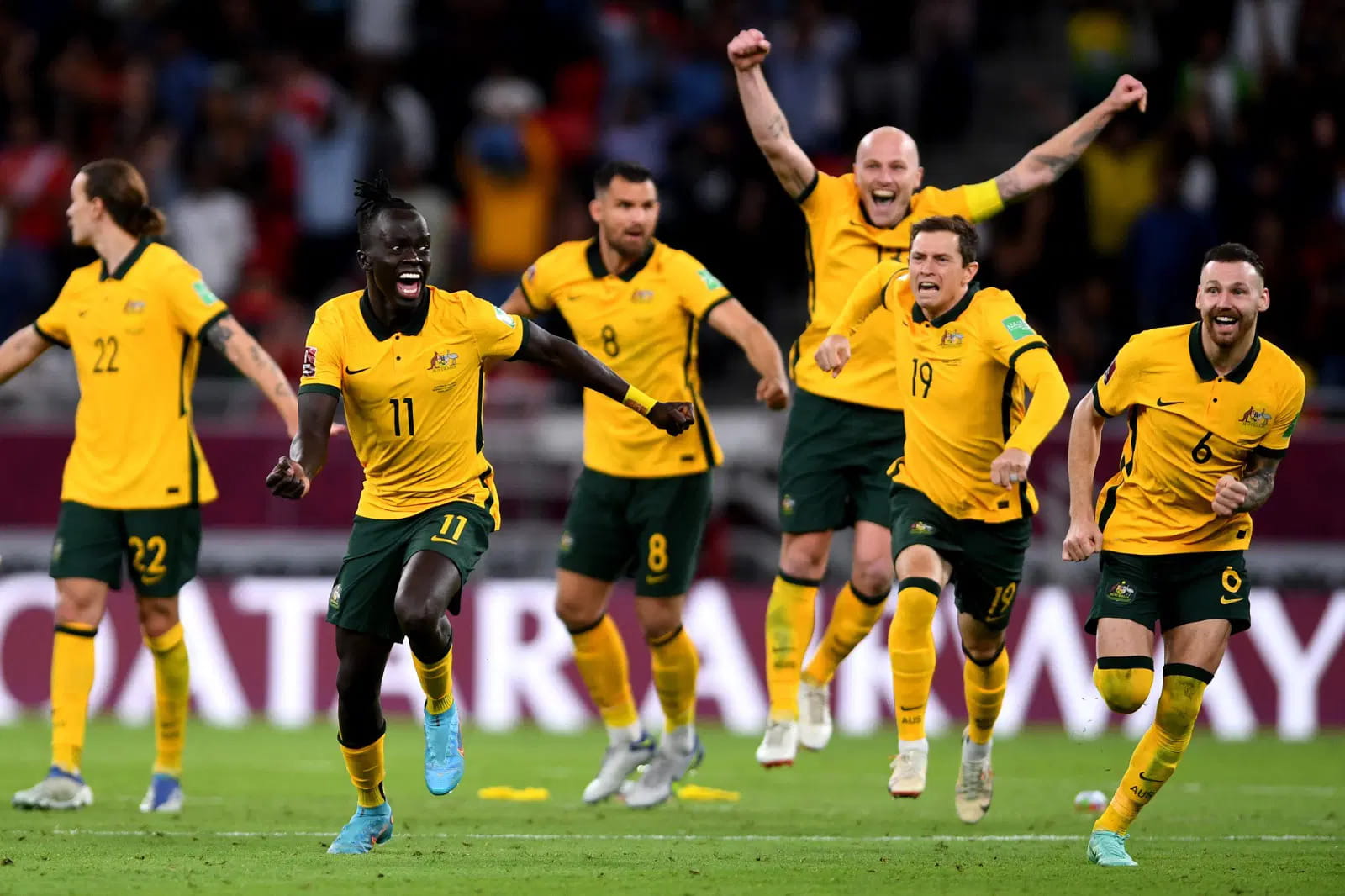
The Socceroos are stepping into the spotlight with their roadmap finalized for the expanded 48-team FIFA World Cup 2026. Placed into Group D alongside co-hosts United States, Türkiye, and Paraguay, Australia faces a challenging but highly structured North American journey.
The Socceroos enter the tournament with a blend of tactical discipline, emerging talent, and recent tournament experience but questions remain about whether Australia can truly compete with football’s global heavyweights.
According to FOX Sports, Australia will begin its campaign in Group D, facing Türkiye in Vancouver on June 14 before clashes against the United States in Seattle and Paraguay later in the group stage.
A Team Built on Structure
Unlike traditional football giants such as Brazil or France, Australia does not rely on global superstars. Instead, the current Socceroos squad is built around organization, work rate, and collective pressing.
Under coach Tony Popovic, Australia has become tactically more compact. The team’s defensive shape has improved significantly compared to previous campaigns, particularly during transition moments. Their ability to frustrate technically stronger opponents was already visible during recent international fixtures and Asian qualifying matches.
Players competing in Europe and top Asian leagues have also added maturity to the squad. Midfield stability and defensive discipline remain Australia’s strongest assets heading into 2026.
However, the lack of elite attacking creativity continues to be a concern. Australia often struggles to break down deep defensive blocks, especially against organized opponents. Against stronger nations, counterattacking opportunities may be limited, increasing pressure on the midfield to create chances.
Strengths That Could Surprise Bigger Nations
Australia’s biggest advantage may be mentality rather than talent alone. The Socceroos traditionally perform well when entering tournaments as underdogs. Their physical fitness, disciplined pressing system, and aerial strength make them difficult opponents in knockout-style football. In a longer tournament format featuring 48 teams, defensive consistency could become more valuable than flashy attacking football.
The expanded World Cup format also increases Australia’s chances of progressing beyond the group stage. Matches against Türkiye and Paraguay are likely to define their tournament destiny more than the high-profile clash with the United States.
Another positive factor is experience. Many players from Australia’s recent international campaigns understand tournament pressure, travel demands, and high-intensity football environments. That familiarity matters in a month-long competition spread across North America.
Weaknesses That Could Limit Australia’s Run
Despite optimism, Australia still faces a clear gap in technical quality compared to Europe and South America’s elite nations.
Finishing efficiency remains inconsistent, while squad depth could become problematic if injuries occur. Australia also lacks a proven world-class striker capable of changing games individually. Against elite defensive teams, that absence may become decisive.
There is also concern about ball retention under pressure. Teams like the United States or major European nations can dominate possession, forcing Australia into extended defensive phases that become physically exhausting over 90 minutes.
Can Australia Win the World Cup?
Realistically, Australia is not among the tournament favorites. Nations like Argentina, Spain, and England remain significantly stronger on paper.
But World Cups are rarely predictable.
If Australia can survive the group stage, maintain defensive discipline, and capitalize on set pieces and counterattacks, a deep knockout run is not impossible. The Socceroos may not enter 2026 as title contenders, but they are increasingly becoming a team that stronger nations will not want to face.
For Australian football fans, that alone signals progress — and perhaps the beginning of a new era for the Socceroos on the world stage.