
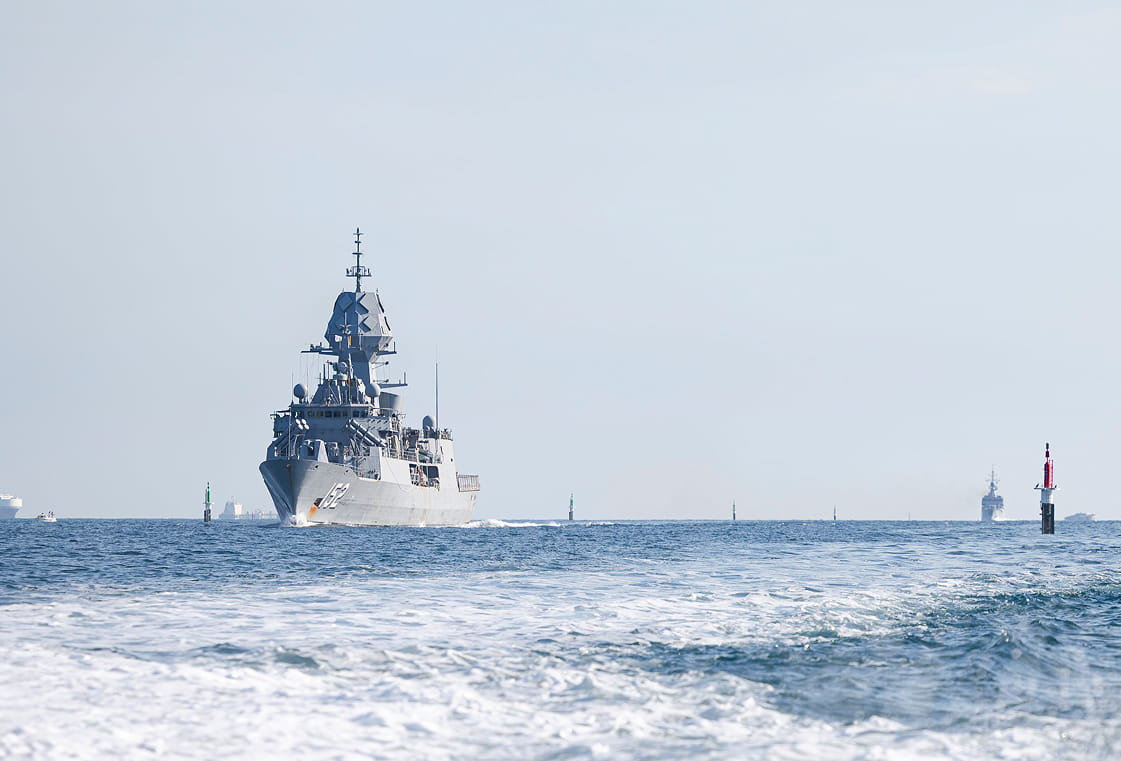
In the geopolitical landscape of the Indo-Pacific, Australia’s security engagement with Malaysia has emerged as a cornerstone of its regional defence strategy. From the establishment of structured defence cooperation in 1992 to the latest joint maritime exercises in April 2026, this bilateral relationship reflects a long-term commitment to maintaining stability across one of the world’s most contested and strategically vital regions.
According to the Australian Department of Defence, the recent Malaysia-Australia Training Exercise (MASTEX) underscores how both nations are “reinforcing regional security” through practical military cooperation.
A Modern Expression of Strategic Alignment MASTEX 2026
The latest iteration of MASTEX, conducted off Western Australia’s coast, demonstrates how the partnership continues to adapt. Featuring naval assets from both countries, the exercise focused on enhancing maritime coordination in a rapidly changing security environment.
According to Defence Australia, the evolution of such exercises ensures they remain “operationally meaningful” amid new challenges, including hybrid threats and multi-domain warfare.
A Strategic Foundation Built in 1992
The modern defence relationship between Australia and Malaysia formally took shape with the launch of the Malaysia-Austria Joint Defence Program (MAJDP) in 1992. This framework institutionalised cooperation in training, personnel exchanges, and operational coordination—laying the groundwork for deeper strategic alignment.
Over time, MAJDP has evolved beyond symbolic engagement into a mechanism for real-world interoperability, particularly in maritime security and joint operations. This long-standing partnership reflects Australia’s broader Indo-Pacific doctrine: working with regional partners to deter conflict and promote a rules-based order.
Indo-Pacific Security – Why Malaysia Matters
Malaysia occupies a critical geographic position along key maritime routes, including the Strait of Malacca one of the busiest shipping corridors globally. For Australia, whose trade and security depend heavily on open sea lanes, cooperation with Malaysia is not optional but essential.
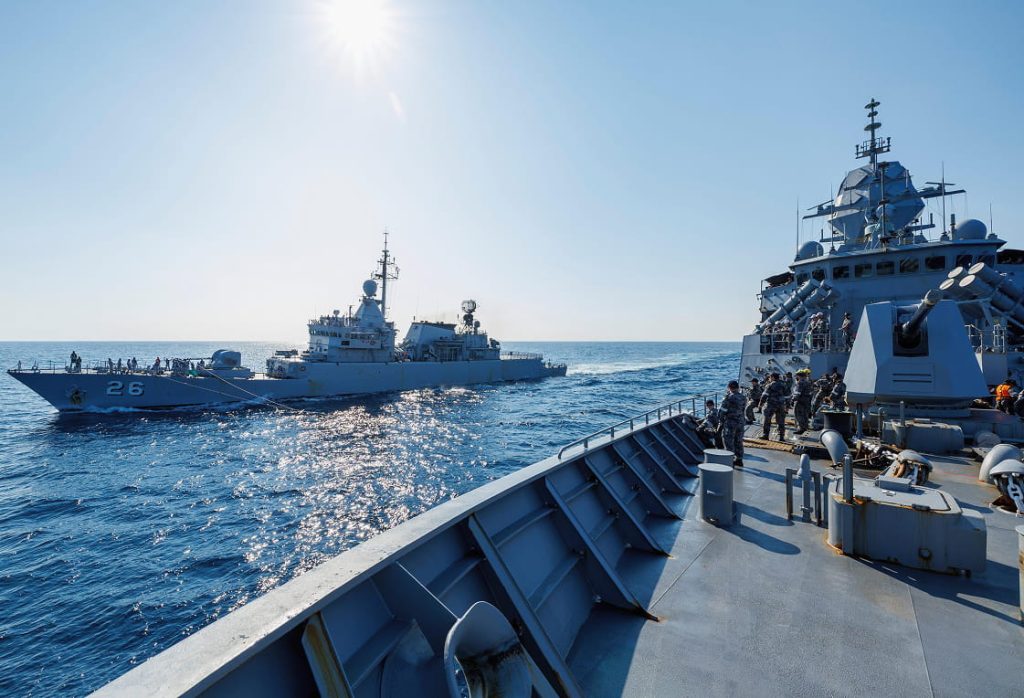
Australia’s defence policy increasingly prioritises the Indo-Pacific, with official strategy documents highlighting the region as central to national security. In this context, Malaysia serves as both a frontline partner and a gateway to broader ASEAN engagement.
Beyond geography, Malaysia is also part of the Five Power Defence Arrangements (FPDA), a multilateral security pact that includes Australia, the UK, New Zealand, and Singapore. Joint exercises such as Bersama Shield further enhance collective defence readiness and interoperability.
From Bilateral Ties to Comprehensive Strategic Partnership
The elevation of Australia–Malaysia relations to a Comprehensive Strategic Partnership (CSP) in 2021 marked a significant shift. Defence and regional security now sit alongside economic and technological cooperation as key pillars of the relationship.
This transformation reflects a shared recognition of emerging threats—from cyber warfare to maritime disputes and the need for coordinated responses. Regular high-level meetings, joint training, and defence education exchanges have strengthened institutional trust and operational capability.
A Partnership for the Future Indo-Pacific
As geopolitical competition intensifies, Australia’s relationship with Malaysia represents a model of sustained, trust-based cooperation. It combines historical ties with forward-looking strategy, reinforcing regional resilience against both traditional and emerging threats.
In an Indo-Pacific increasingly defined by strategic rivalry, this partnership is not just bilateral—it is a stabilising force for the broader region.

