
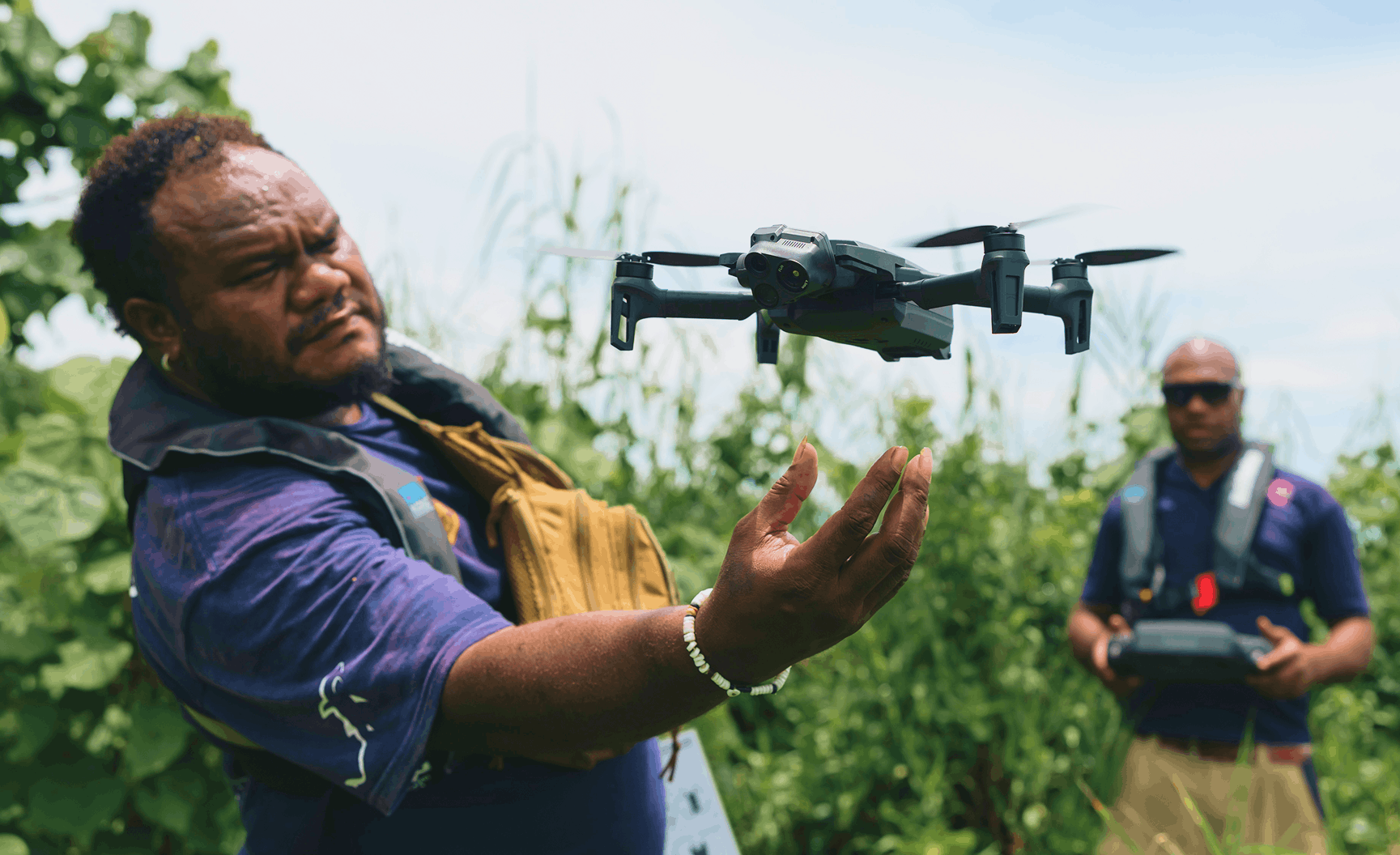
Australia is rapidly expanding its drone and counter-drone capabilities, marking one of the most significant shifts in its modern defence posture. As global conflicts increasingly demonstrate the power of uncrewed systems, Canberra is moving quickly to ensure it is not only prepared but competitive in a new era of warfare.
According to the Australian Department of Defence, drones are now central to future military planning. What was once considered supplementary technology has become a frontline asset. From intelligence, surveillance, and reconnaissance (ISR) to tactical strike support, drones are redefining how operations are conducted across all domains.
Defence updates indicate that Australia is prioritizing long-endurance surveillance drones capable of monitoring vast maritime zones, particularly across the Indo-Pacific. With one of the largest exclusive economic zones in the world, maintaining situational awareness is both a logistical and strategic challenge. Advanced drone systems (Iran & US War) now provide persistent coverage, significantly reducing response times and operational blind spots.
But the expansion is not just about deploying drones it’s equally about defending against them.
Recent conflicts have exposed how low-cost drones can bypass traditional defence systems, posing serious risks to military bases and critical infrastructure. In response, Australia is investing heavily in counter-drone technologies, including radar detection, electronic jamming systems, and directed-energy solutions designed to neutralize aerial threats before they reach sensitive targets.
This dual-track strategy offensive and defensive is increasingly aligned with Australia’s broader security partnerships. Under AUKUS, collaboration with allies is accelerating access to advanced AI-driven drone systems and integrated defence networks. These partnerships are not just about technology sharing but also about creating a unified response to emerging threats in the region.
Another key dimension is sovereign capability. Defence Australia is actively supporting domestic innovation, encouraging local companies to design and manufacture next-generation drone systems. This push aims to reduce reliance on foreign suppliers while fostering a resilient defence industry capable of rapid adaptation.
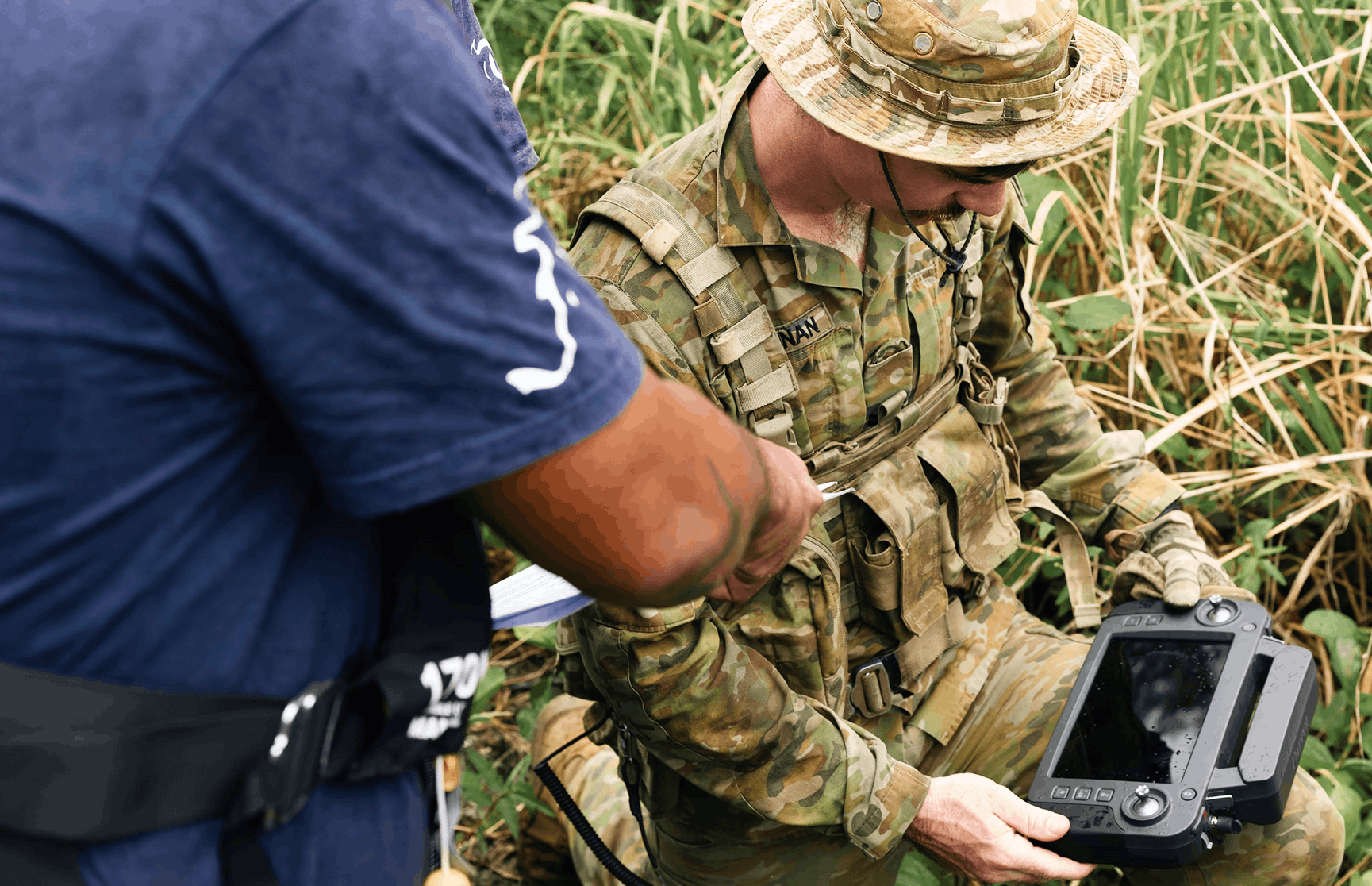
Experts argue that geography is driving urgency. Australia’s remote northern approaches, sprawling coastline, and critical sea lanes make it uniquely vulnerable to unmanned threats. Drones offer a cost-effective solution for persistent surveillance, while counter-drone systems provide a necessary shield against evolving attack methods.
However, the rapid militarization of drone technology also raises complex questions. The integration of artificial intelligence, autonomy in targeting, and the potential for escalation are issues that Defence policymakers continue to navigate. Officials emphasize that Australia remains committed to operating within international law, even as it adopts more advanced capabilities.
Ultimately, Australia’s drone expansion is not just a technological upgrade—it is a strategic transformation. By embracing both innovation and alliance-driven cooperation, the country is positioning itself at the forefront of a rapidly changing battlefield where speed, data, and precision define success.
Learn more – Australia Malaysia Indo-Pacific security 2026

