
Adelaide train transport: For most modern cities, staying relevant over decades is an achievement. For Adelaide, maintaining transport relevance over 170 years is a statement of resilience and a lesson in urban planning. New data and historical reflection from the Department for Infrastructure and Transport (DIT) show that trains remain one of the most dependable and widely used modes of long-distance urban travel in the city.
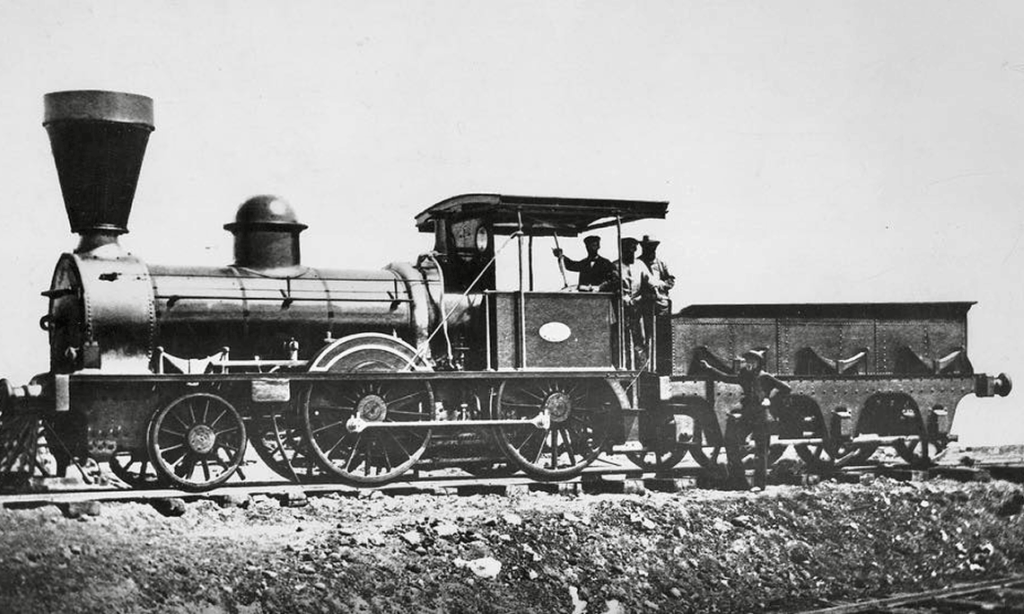
The story begins in 1856, when the first passenger train departed from Adelaide Railway Station to Port Adelaide. What started as a modest 12-kilometre single-track line quickly became a foundational transport artery remarkably, it was the first government-owned steam railway in the British Empire. That early investment in rail infrastructure laid the groundwork for a system that still shapes how the city moves today.
Fast forward to 2026, and the numbers reinforce the same narrative: trains are not just a legacy system they are a high-demand, modern transport solution. According to DIT, Adelaide’s rail network now operates hundreds of services daily, with approximately 12 million passenger journeys annually. The fleet comprising electric and hybrid-diesel trains supports both suburban commuters and longer-distance travelers, demonstrating rail’s continued dominance in connecting urban and peri-urban regions.
What explains this longevity?
The answer lies in rail’s unique ability to balance capacity, efficiency, and sustainability. Unlike road-based transport, trains move large volumes of passengers across longer distances with predictable timing and lower congestion impact. In a growing city like Adelaide, where urban sprawl increases commuting distances, rail remains one of the few systems capable of scaling effectively without compromising reliability.
There is also an economic dimension. Historically, Adelaide’s railways transported not only passengers but also goods from livestock to minerals fueling industrial growth. Today, while freight plays a smaller role within the metropolitan network, the economic value of passenger mobility remains significant. Reliable long-distance commuting supports workforce flexibility, reduces travel costs, and enhances productivity across the region.
DIT’s official publication underscores another key point: the system has not stood still. Continuous upgrades, electrification projects, and service expansions have ensured that rail keeps pace with modern expectations. Even the iconic Adelaide Railway Station, rebuilt in 1928, symbolizes this blend of heritage and adaptation.
From an analytical perspective, Adelaide’s experience challenges the assumption that newer transport technologies will inevitably replace traditional rail. Instead, it highlights a more nuanced reality: when maintained and modernized, rail systems can outlast and outperform many alternatives—especially for long-distance urban travel.
Credibility
This analysis is based on official data and historical insights published by the Department for Infrastructure and Transport, ensuring accuracy, authority, and trustworthiness.
🔗 Read more
- Explore more transport infrastructure insights and urban mobility trends
- Read our analysis on sustainable public transport systems
- Learn how rail networks shape economic growth in modern cities

